


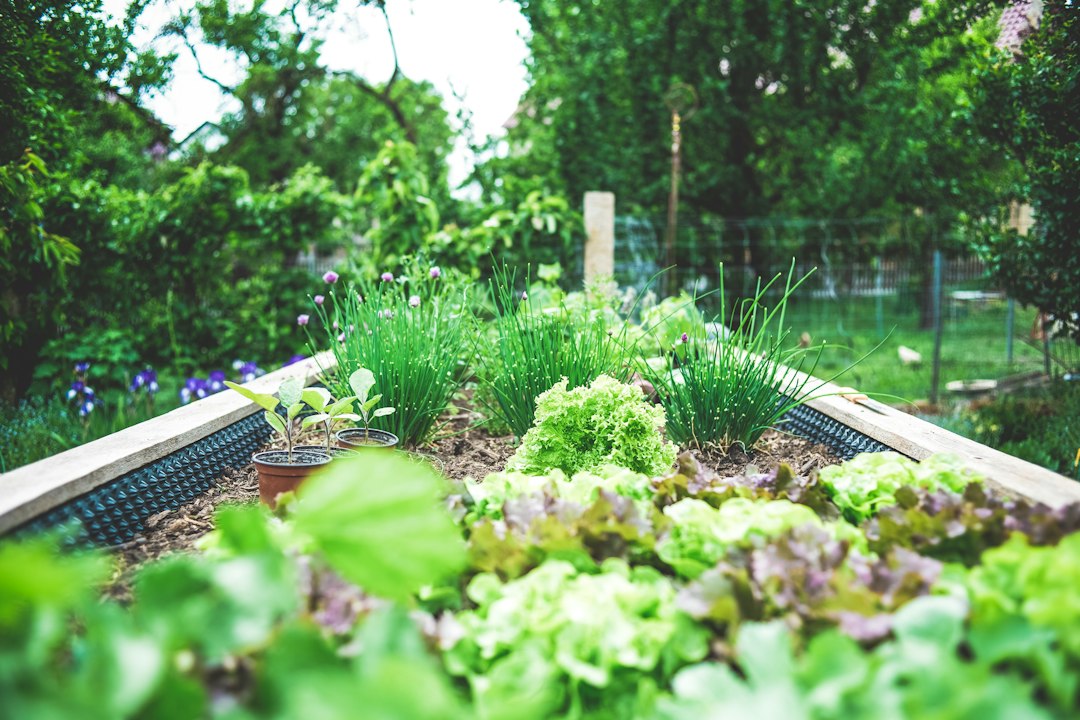
When people picture an Arizona garden, they often imagine tomatoes ripening under the summer sun, citrus trees, or desert plants that seem perfectly happy in the heat. But here’s one of Sierra Vista’s pleasant surprises: the gardening story changes with the seasons.
Our mountain-framed community has cool autumn evenings, sunny winter afternoons, and a growing climate that is distinctly different from Phoenix. That makes fall gardening appealing, but it also means you can’t simply borrow a low-desert planting calendar and expect the same results.
So, what can you grow here when the weather turns cooler? The answer starts with understanding frost, choosing the right crops, and treating the garden as an experiment shaped by your own backyard.
First, Sierra Vista Is Not Phoenix
Sierra Vista sits at roughly 4,600 feet above sea level. The elevation helps create a climate with noticeably cooler nights than the lower desert. A sunny afternoon can feel inviting while temperatures after dark dip toward freezing.
The University of Arizona Cooperative Extension explains that elevations above 3,000 feet generally have a different planting pattern from lower Arizona communities. In southern Arizona’s higher-elevation areas, early fall planting of cool-season vegetables can be productive, but winter cold limits what survives outdoors.
That’s why a calendar designed for Tucson or Phoenix is a starting point for curiosity, not a dependable schedule for a Sierra Vista garden.
The Cool-Season Vegetables Worth Exploring
Leafy greens: Spinach, kale, and some lettuces are familiar cool-weather choices. Their success depends on planting early enough to establish roots before sustained cold, choosing appropriate varieties, and providing protection when necessary.
Brassicas: Broccoli, cabbage, and related vegetables prefer cooler growing conditions than tomatoes or peppers. They often do best when started at the appropriate late-summer or early-fall time rather than waiting until the coldest weeks arrive.
Roots and quick crops: Radishes, turnips, and some other root crops can be useful additions to a seasonal plan. Check maturity dates carefully: even cold-tolerant plants grow more slowly when days become shorter and soils cool.
Garlic: Fall-planted garlic is another crop to research, although the best timing and protection depend on the variety and your specific growing conditions.
These are possibilities, not a promise that everything can be planted outdoors in November and harvested all winter. The Extension’s 3,000–6,000-foot planting and harvest guide emphasizes local temperatures, frost probabilities, and crop tolerance rather than one statewide planting date.
The Real Secret Is Timing, Not Just the Crop
Fall gardening often begins before fall feels fully underway. Some vegetables need to be started in late summer so they have enough time to grow before shorter days and freezing nights slow them down.
By November, the practical question may be less “What seeds can I put in the ground today?” and more “Which established plants can I protect, and what should I plan to start next season?”
A cold frame, appropriate row cover, or sheltered raised bed can help moderate some conditions, but none guarantees survival during a hard freeze. Follow the product instructions, avoid overheating plants on sunny days, and check the forecast regularly.
What About Tomatoes, Peppers, and Summer Favorites?
Those are warm-season crops. Tomatoes, peppers, squash, and many beans are sensitive to frost and generally aren’t reliable outdoor winter crops in Sierra Vista. Even if a warm afternoon tempts you to plant them, the overnight temperatures tell a different story.
For these crops, think ahead to spring planting after the local frost risk has eased. The exact timing varies from one yard and year to another.
Five Things That Make a Sierra Vista Garden Different
Sunlight is plentiful, but winter days are shorter
Choose a location that receives useful winter sun. A bed that basks in July sunshine may spend much of December in the shadow of a wall or tree.
Microclimates matter
Two homes on the same street can have different growing conditions. Wind exposure, slope, walls, soil, and cold-air drainage can all influence plant survival.
Water still matters in cool weather
Cooler temperatures may reduce water demand, but dry soil and winter winds can still stress plants. Water according to soil moisture and the crop’s needs rather than assuming a fixed schedule.
Soil deserves attention
Southwestern soils are often alkaline. The University of Arizona recommends learning about your soil’s characteristics and considering a soil test before making amendments. Compost and suitable mulch can also support garden management.
Protection has limits
Frost cloth, low tunnels, and cold frames can extend opportunities, but a protected garden is not the same as a heated greenhouse. Start small and learn which techniques work in your location.
Could You Have a Garden When You Move to Sierra Vista?
Absolutely, if gardening is part of the lifestyle you’re looking for. The better question is what kind of garden fits your home, available sunlight, water access, time, and expectations.
A patio container garden might be perfect for herbs and greens. A larger yard could accommodate raised beds, native landscaping, or a mix of edible and ornamental plants. If you’re comparing neighborhoods and property styles, our Sierra Vista, Hereford, and Huachuca City lifestyle guide offers another perspective on finding the right fit.
For another seasonal perspective, explore our other local-living articles as the Life in the Sky Islands series grows.
Questions New Gardeners Often Ask
Can you grow vegetables year-round in Sierra Vista?
With planning and, in some cases, protection or indoor growing space, gardeners can work toward harvests in multiple seasons. But outdoor production is not continuous or guaranteed, especially during hard freezes.
Is fall a good time to start a vegetable garden?
It can be, particularly for appropriately timed cool-season crops. Many fall crops need an earlier start than November, so consult local frost information before planting.
Will the same planting calendar work in Phoenix and Sierra Vista?
No. Their elevations and winter temperature patterns differ substantially. Choose guidance intended for your elevation and verify it against local conditions.
Do raised beds eliminate frost risk?
No. Raised beds can make soil and drainage management easier, but plants still need appropriate frost protection.
Where can I get locally relevant gardening guidance?
Start with the University of Arizona Cooperative Extension, especially its elevation-specific vegetable guidance and Cochise County resources.
A Little More Room to Grow
One of the joys of living in the Sky Islands is discovering that Southern Arizona doesn’t have just one season or one way of enjoying the outdoors. A cool morning, a sunny afternoon, and a garden full of possibilities can all belong to the same day.
At The R|A Home Team at Real Broker, we love helping people discover the details that make a place feel like home, whether that’s mountain views, a sunny patio, or space for the garden you’ve always wanted. If you’re exploring a move to Sierra Vista or Cochise County, we’d be happy to help you find a home that fits the life you want to grow here.