


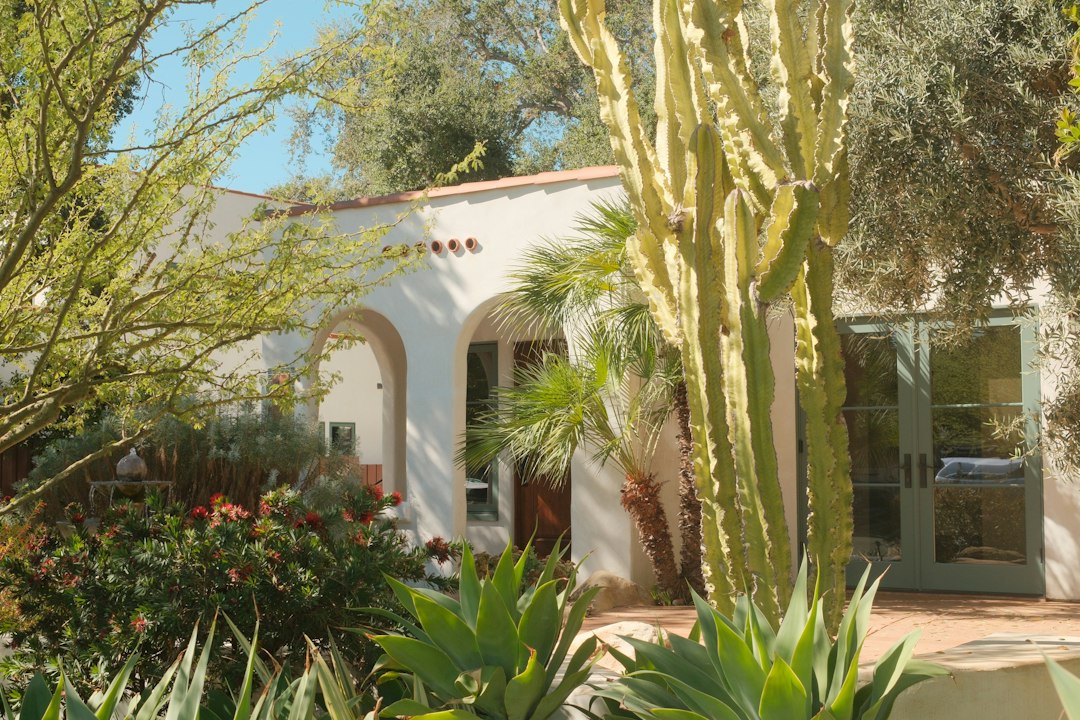
Two homes can have the same number of bedrooms, nearly identical square footage, and very different stories to tell a buyer. One might have a shaded patio and a recently replaced cooling system. Another might have a larger lot, a workshop, or a view that makes someone linger at the window. The address matters, but so does everything behind the front door.
So when a homeowner asks, “How much is my Sierra Vista home worth?” the useful answer is rarely one number pulled from a website. It is a price range supported by what comparable homes have actually sold for, what buyers can choose from today, and what makes this particular property different.
Here is how to think about pricing a home in Sierra Vista and the surrounding Cochise County communities without getting lost in the numbers.
Three Numbers That Sound Similar but Mean Different Things
Start with the online estimate. Automated home-value tools can be a helpful first glance, especially when a neighborhood has plenty of recent, similar sales. But the estimate is only as useful as the information behind it. A computer may not fully understand a remodeled interior, a worn roof, an unusual lot, or an outbuilding that matters to the right buyer. The U.S. Government Accountability Office has noted that automated valuation models can be less reliable when comparable-sales data are limited.
Then there is the value on your county property notice. Cochise County’s Assessor explains that Full Cash Value is an annually determined estimate of market value, while Limited Property Value is calculated under state rules and is used for property taxation. Neither number is a real-time recommendation for what to put on a listing this week. They serve different purposes.
Finally, there is a market-supported listing price. That is a deliberate asking price chosen after reviewing recent sales, competing listings, the home’s condition and features, and the seller’s timing. It is not a promise of what the home will sell for, and it is not the same thing as a lender’s appraisal.
What Comparable Sales Actually Tell Us
A comparative market analysis, often called a CMA, looks at homes that buyers could reasonably compare with yours. The most useful evidence usually begins with recent closed sales: real transactions that show what buyers agreed to pay. Active listings show the competition a buyer will see today. Pending sales can add context, although their final prices may not be public yet.
The National Association of REALTORS® consumer guide to home pricing explains how agents use these comparable properties and adjust for differences in features, condition, and location. The key word is comparable. A house across town with the same square footage may be a much weaker comparison than a slightly different house in the same neighborhood.
That distinction is especially useful around Sierra Vista. A conventional subdivision home, a property on acreage outside town, and a home with a detached workshop may appeal to different buyers. Even within a neighborhood, floor plan, garage space, usable outdoor areas, condition, and the terms of a solar installation can change how buyers evaluate a property. Those features do not automatically add a fixed dollar amount. Their value depends on the available alternatives and what recent buyers have demonstrated they will pay.
A Sierra Vista Example: Similar on Paper, Different in Practice
Imagine two homes with the same bedroom count and about the same interior square footage. The first has an updated HVAC system, a covered outdoor living area, and an attached garage. The second has an older cooling system but a larger lot and a substantial detached workshop.
Which one is worth more?
There is no honest answer without knowing where they are, whether the workshop is permitted and functional, what comparable properties sold for, and which features buyers in that price range are seeking. For one household, the workshop could be the deciding factor. For another, the low-maintenance patio and newer equipment may be more appealing.
That is why a thoughtful pricing conversation asks not just “What do nearby houses cost?” but “Which nearby houses would a buyer actually consider instead of this one?”
Asking Price Is a Strategy, Not a Trophy
It is natural to want to start high and leave room to negotiate. Sometimes a higher initial price is defensible. But an asking price that is difficult to support with comparable sales can make a home look out of step with the competition. It may also put the listing outside the search range of buyers who would otherwise be a good fit.
On the other hand, pricing aggressively low is not a guaranteed shortcut to multiple offers. A sensible strategy accounts for the current alternatives, likely buyer expectations, the condition of the property, and how quickly the seller needs to move.
There is another number worth discussing before choosing a list price: estimated net proceeds. The highest offer on paper is not always the strongest outcome once seller concessions, repairs, financing terms, closing costs, and timing enter the picture. A realistic seller net sheet can help compare what different scenarios would actually mean for your next move.
What a Useful Pricing Conversation Should Feel Like
You should be able to see the evidence behind a recommended price. Ask to walk through a few relevant closed sales and understand how each differs from your home. Look at the active listings a buyer would tour in the same afternoon. Discuss the features that are likely to matter and the improvements that may not return their full cost.
Then talk about the plan after the listing goes live. What would meaningful early feedback look like? How will showings, buyer comments, and new competing listings be evaluated? When would it make sense to revisit the price? A good strategy is clear enough to explain before the first showing and flexible enough to respond to new evidence.
And remember that the list price, the negotiated contract price, and the lender’s appraised value can be different. If you are selling one home while buying another, our guide to what happens after an offer is accepted in Arizona explains how the appraisal and financing fit into the next part of the journey.
Price the Home You Have, for the Move You Want to Make
A home’s value is personal in one sense: it holds years of memories, work, and investment. But the listing price has a different job. It needs to communicate clearly with the buyers shopping in today’s market.
Whether you own a home in Sierra Vista, Hereford, Huachuca City, or another part of Cochise County, the most useful starting point is a local, evidence-based conversation. No dramatic prediction, no magic formula, and no pressure to list before you are ready. Just a clear understanding of the options and what they could mean for you.
At The RA Home Team, we are happy to help you look at comparable sales, talk through your timeline, and build a pricing approach around your actual goals. Because the right price is not just about putting a sign in the yard. It is about making the next chapter possible.