


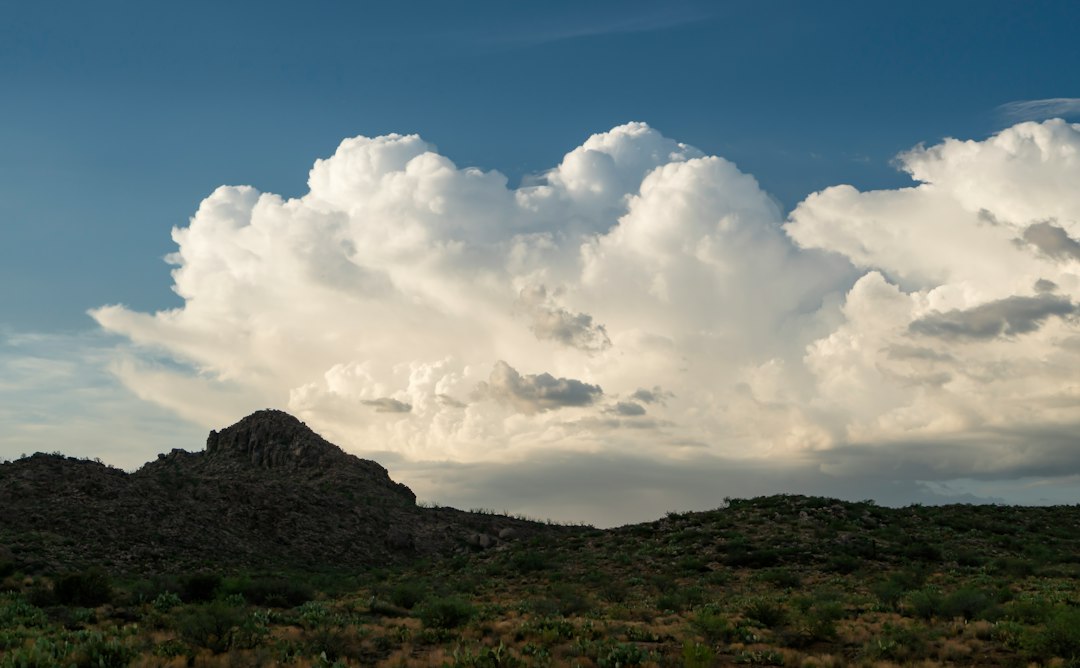
In Southern Arizona, the end of September is a useful turning point for homeowners.
The National Weather Service defines the Southwest monsoon season as June 15 through September 30. During those months, thunderstorms can bring heavy rain, lightning, strong winds, blowing dust, and flash flooding. Even when a house comes through the summer without an obvious problem, several months of sun, wind, dust, and storm runoff can leave behind small maintenance issues that are much easier to address now than after they become expensive repairs.
That makes early fall a great time for a simple walk-around of your home.
You do not need to turn the weekend into a construction project. Start with what you can safely see from the ground, make a short list, and bring in a qualified professional when something needs a closer look.
1. Start at the Roofline, From the Ground
Arizona roofs work hard. Summer combines intense sun with wind and sudden storms, so begin your fall check by standing back from the house and looking for anything that appears different than it did in spring.
Depending on your roof type, watch for visible displaced or broken tiles, lifted or damaged roofing material, loose flashing, damaged fascia, or debris that has collected in valleys or around drainage areas.
For a flat or low-slope roof, do not assume that “no leak inside” automatically means everything is perfect outside. Water can sometimes reveal a problem only after materials have deteriorated further.
Unless you are trained and properly equipped to work at height, leave the rooftop inspection to a professional. A pair of binoculars or a camera zoom can tell you quite a bit from solid ground.
Add it to the list if: you see missing material, sagging, staining, damaged trim, or anything else that looks newly out of place.
2. Look for Water’s Travel Path
One of the best post-monsoon inspections happens at ground level.
Walk around the house and look at where stormwater has been traveling. Check for fresh erosion, soil that has washed away near the foundation, standing-water marks, displaced gravel, clogged drainage paths, or places where runoff appears to be moving toward the house instead of away from it.
If your property uses swales, channels, culverts, or other drainage features, make sure they are not blocked by storm debris.
Sierra Vista residents should also remember that washes and drainage ways are not all maintained by the same entity. The City identifies some as City-maintained, while others may be maintained by Cochise County, a homeowners association, or private landowners. The City provides information for determining who is responsible for a wash near your property.
And one easy rule is worth remembering: yard debris does not belong in a wash. The City notes that material dumped into washes can move downstream during storms and clog drainage structures.
3. Check Doors, Windows, and Exterior Seals
Wind-driven rain has a talent for finding tiny openings.
Look around exterior doors and windows for cracked or missing caulk, deteriorated weatherstripping, staining, or signs that water has been getting somewhere it should not.
Pay attention to penetrations through exterior walls too, including utility lines, vents, hose bibs, and other openings. You are not trying to diagnose the entire building envelope. You are simply looking for visible deterioration that deserves attention.
Inside, check window sills and nearby walls for discoloration, bubbling paint, softness, or musty odors that appeared during the rainy season.
A small failed seal is generally a much friendlier problem when discovered early.
4. Give the Yard a Storm-Damage Walkthrough
Monsoon winds can leave behind more than fallen branches.
Inspect trees for broken, hanging, or damaged limbs, particularly anything over the roof, driveway, walkway, utility line, or neighboring property. Look at fences and gates for new leaning, loose panels, damaged posts, or hardware that worked itself loose during summer storms.
This is also a good time to clear dead vegetation and accumulated debris from around the property, while being mindful of how landscaping affects drainage.
If a tree needs substantial trimming near a structure or utility line, that is a job for an appropriate professional rather than an adventurous afternoon with a ladder.
5. Inspect Exterior Equipment
Walk past the equipment we tend to stop noticing because we see it every day.
Look at the outdoor HVAC unit for leaves, weeds, or storm debris around it, while keeping hands and tools away from electrical and mechanical components. Visually check exterior electrical covers, light fixtures, irrigation equipment, pool equipment, and exposed pipes for obvious damage.
If something electrical looks damaged or has been exposed to water, do not open it up to investigate. Have a qualified professional evaluate it.
Pool owners should also check equipment areas and surrounding drainage after the summer storm season. If draining a pool becomes necessary, review current local requirements first. The City of Sierra Vista has specific rules governing pool drainage and notes that pool water must not be discharged in a way that floods neighboring property or public areas.
6. Check for the Quiet Signs Indoors
Some storm-related problems announce themselves with a puddle. Others whisper.
Take a slow walk through the house and look up.
Check ceilings, upper corners, areas around skylights or vents, and the walls around exterior windows and doors. Watch for new stains, peeling or bubbling paint, unusual discoloration, or odors that were not there before summer.
If you find moisture damage, the important job is not merely covering the stain. Find and correct the source.
Photographs can also be useful. Take a picture of anything questionable, date it, and compare it later if you are monitoring whether the condition changes.
7. Test the Little Safety Items While You Are Already Looking Around
A seasonal home check is a convenient reminder to test smoke alarms and carbon monoxide alarms according to the manufacturer’s instructions, replace depleted batteries where applicable, and make sure fire extinguishers are accessible and within their service dates.
Also take a look at your emergency supplies.
Southern Arizona weather does not stop being interesting when monsoon season ends. A few minutes spent checking flashlights, batteries, chargers, first-aid supplies, and your household emergency plan is never wasted.
8. Make a Repair List Before Calling Anyone
Once the walk-through is finished, separate what you found into three categories:
Do now: active leaks, electrical concerns, significant roof damage, dangerous tree limbs, or drainage problems that threaten the house.
Schedule soon: deteriorated seals, minor exterior repairs, fence work, HVAC service, or preventive roof maintenance.
Watch: cosmetic changes or minor conditions that do not appear active but are worth photographing and checking again.
If you need a contractor, do a little homework before signing anything. The Arizona Registrar of Contractors recommends checking that a contractor is licensed and in good standing, understanding the scope of the work, and getting multiple estimates. The agency specifically cautions homeowners against making rushed contracting decisions after storm damage.
That extra verification is worth the few minutes it takes.
A Little Maintenance Now Can Make the Next Season Easier
Owning a home in Southern Arizona comes with its own rhythm.
Spring is a good time to prepare for heat. Early summer means getting ready for monsoon weather. And as September gives way to October, there is a natural opportunity to see how the house handled another Arizona summer.
You do not have to fix everything in one weekend. The goal is simply to notice the small things before they have a chance to become big things.
And if you are buying, selling, or settling into a home in Sierra Vista or the surrounding Cochise County area, The RA Home Team is here to help you understand more than the transaction. We live here too, and we believe knowing how to care for a Southern Arizona home is part of feeling at home in Southern Arizona.
The RA Home Team
Helping you find more than a house. Helping you feel at home in Southern Arizona.